
Jared “Pete” Gile

Superintendent | Kansas Bostwick Irrigation District Years working in irrigation: 10 Years as manager: 5 Number of employees: 12 Size of service area in acres: 42,500 Amount of water diverted for irrigation per year in acre-feet: 40,000–60,000 Main crops irrigated: Alfalfa, corn, soybeans Predominant irrigation methods: Center pivot (75%), gated pipe (25%) [siteorigin_widget class=”SiteOrigin_Widget_Headline_Widget”][/siteorigin_widget] Irrigation […]
Gary Esslinger

Manager | Elephant Butte Irrigation District Years working in irrigation: 44 Years as manager: 34 Number of employees: 80 Size of service area in acres: 90,640 Amount of water diverted for irrigation per year in acre-feet: 282,098 (2010); 57,707 (2021) Main crops irrigated: Alfalfa, chiles, cotton, onions, pecans Predominant irrigation methods: Flood, drip [siteorigin_widget class=”SiteOrigin_Widget_Headline_Widget”][/siteorigin_widget] […]
Duane DeKrey

Manager | Garrison Diversion Conservation District Years working in irrigation: 10 Years as manager: 43 Number of employees 32 Size of service area in acres: 7,250 Amount of water diverted for irrigation per year in acre-feet: 6,000–7,000 Main crops irrigated: Beans, corn, potatoes Predominant irrigation methods: Center pivot [siteorigin_widget class=”SiteOrigin_Widget_Headline_Widget”][/siteorigin_widget] Irrigation Leader: What is the […]
Ryan Collins
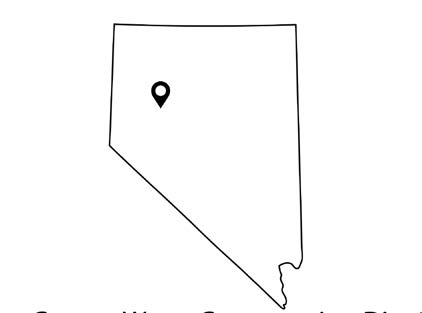
Manager | Pershing County Water Conservation District Years working in irrigation: 3 Years as manager: 16 Number of employees: 8 Size of service area in acres: 41,000 Amount of water diverted for irrigation per year in acre-feet: 160,000 in a full allotment year Main crops irrigated: Alfalfa, grain, livestock Predominant irrigation methods: Flood [siteorigin_widget class=”SiteOrigin_Widget_Headline_Widget”][/siteorigin_widget] […]
Tom Buchanan
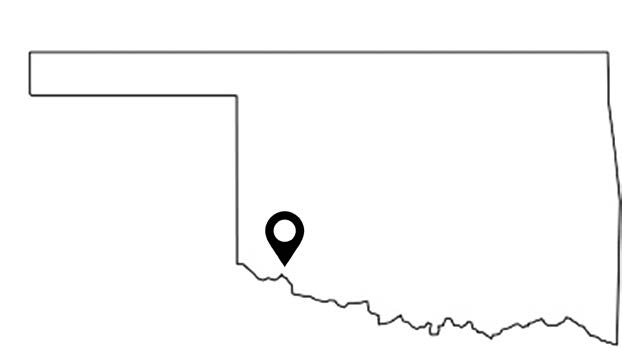
General Manager | Lugert-Altus Irrigation District Years working in irrigation: 40+ Years as manager: 20+ Number of employees: 20+ Size of service area in acres: 50,000 Amount of water diverted for irrigation per year in acre-feet: 0–80,000 Main crops irrigated: Cotton Predominant irrigation methods: Flood (70%), subsurface drip (30%) [siteorigin_widget class=”SiteOrigin_Widget_Headline_Widget”][/siteorigin_widget] Irrigation Leader: What is […]
James Brower
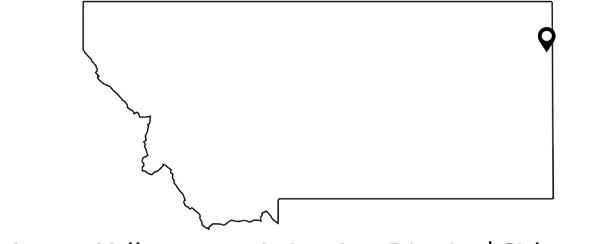
Manager | Lower Yellowstone Irrigation Project Intake Irrigation District | Savage Irrigation District | Lower Yellowstone Irrigation District #1 (Montana) | Lower Yellowstone Irrigation District #2 (North Dakota) Years working in irrigation: 27 Years as manager: 13 Number of employees: 17 Size of service area in acres: 58,000 Amount of water diverted for irrigation per year in acre-feet: 370,000 Main crops […]
Troy Allen
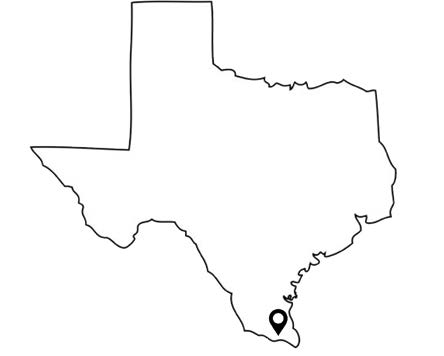
General Manager | Delta Lake Irrigation District Years working in irrigation: 34 Years as manager: 10 Number of employees: 56 Size of service area in acres: 70,000 Amount of water diverted for irrigation per year in acre-feet: 125,000 Main crops irrigated: Citrus fruit, corn, cotton, grain, sugarcane, vegetables Predominant irrigation methods: Flood, drip, sprinkler [siteorigin_widget […]
Kevin C. Adams

General Manager | Farmers Irrigation District Years working in irrigation: 42 Years as manager: 27 Number of employees: 20 Size of service area in acres: 63,000 Amount of water diverted for irrigation per year in acre-feet: 177,000 Main crops irrigated: Alfalfa, corn, edible beans, dry edible beans, wheat Predominant irrigation methods: Center pivot [siteorigin_widget class=”SiteOrigin_Widget_Headline_Widget”][/siteorigin_widget] […]
Volume 13 Issue 4 April
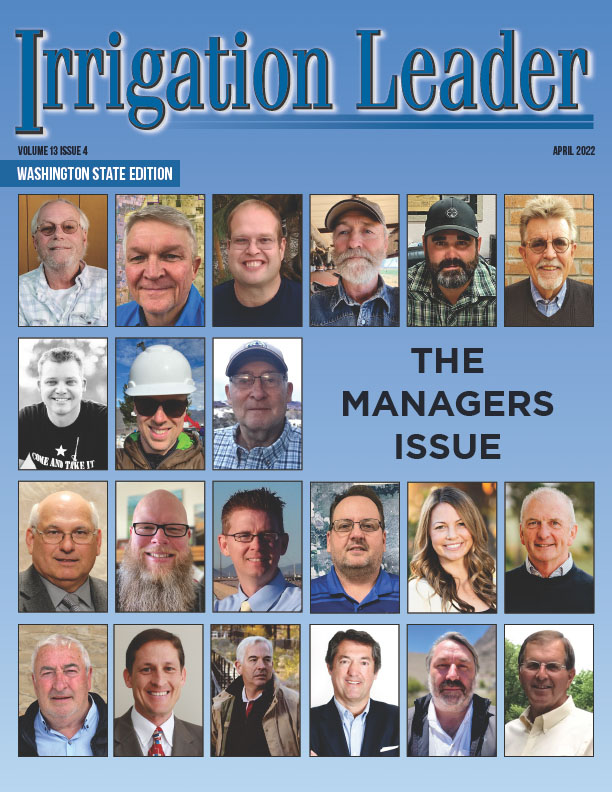
Bringing Experience and Understanding to the Legal Field By Kris Polly The success and flourishing of an irrigation district depend on many things—weather, funding, upkeep, modernization, and planning, for instance—but perhaps no factor counts as much as does a good manager. A manager must know their district’s distinctive characteristics and challenges, their employees, and […]
Volume 13 Issue 4 April
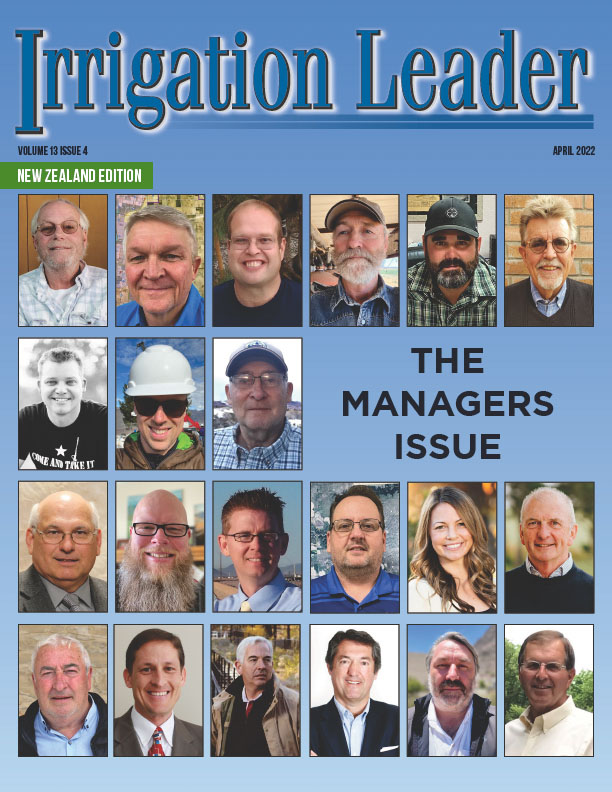
Introducing the Managers Issue By Kris Polly The success and flourishing of an irrigation district depend on many things—weather, funding, upkeep, modernization, and planning, for instance—but perhaps no factor counts as much as does a good manager. A manager must know their district’s distinctive characteristics and challenges, their employees, and their board. And they […]