
Uri Shani: N-Drip’s Revolutionary Drip Line
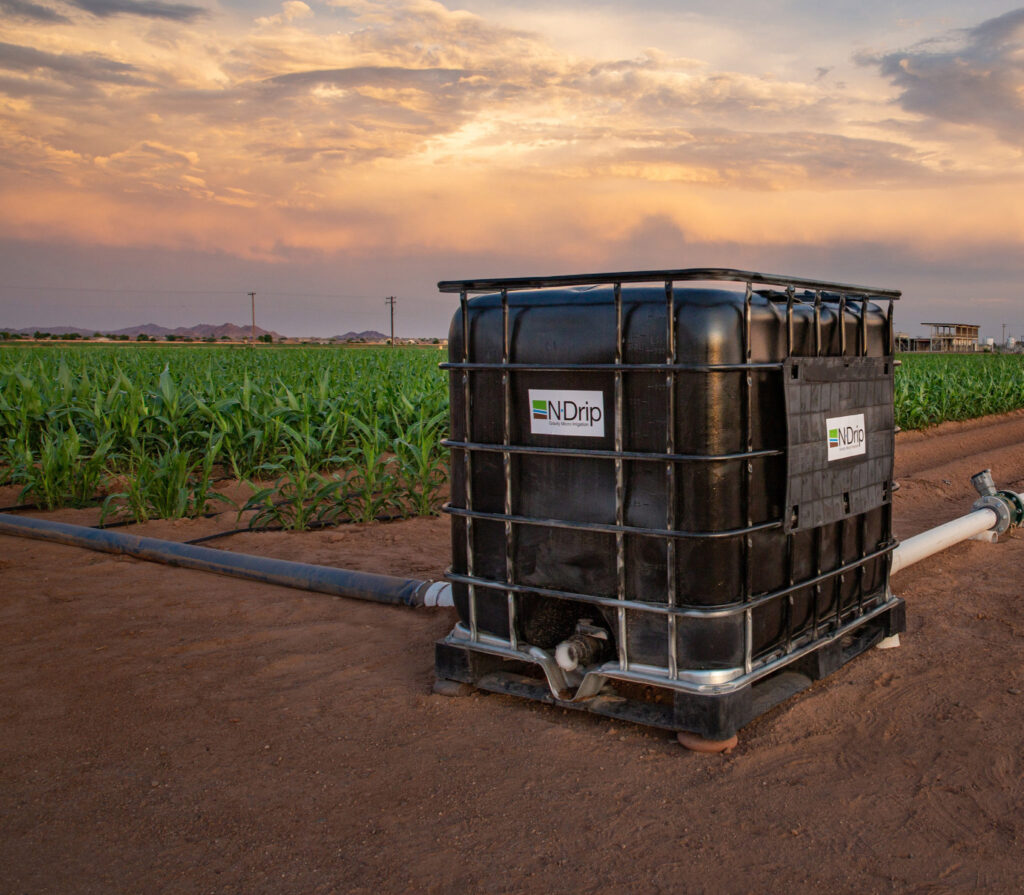
Inefficient irrigation methods waste huge amounts of water around the world, but up until now, transitioning to more efficient methods like drip irrigation has involved expensive pressure and filtration equipment and expenditures on energy. The Israeli company N-Drip is helping resolve this problem with a new kind of drip line that requires neither pressure nor […]
Enforcing Washington’s Screening Requirements Through Cooperative Compliance

Water diverters in Washington State may know that fish screening is required by law, but they may not understand the relevant regulations and may struggle to afford compliant fish screens. The mission of the fish screening section of the Washington Department of Fish and Wildlife (WDFW) is to solve these problems. Through its cooperative compliance […]
A Cultural Exchange Between Washington State and New Zealand
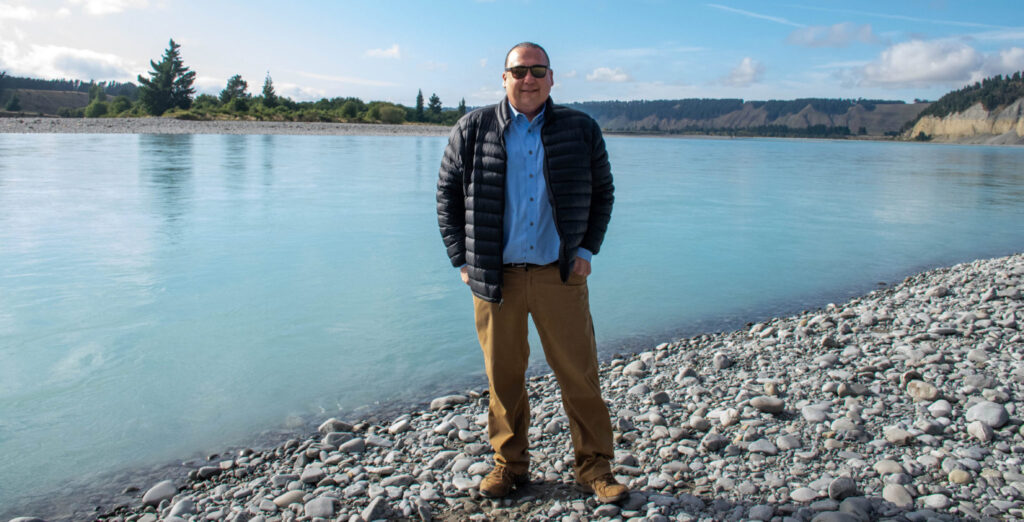
One member of the Irrigation Leader tour in New Zealand was Phil Rigdon, the superintendent of the Yakama Nation’s Department of Natural Resources, which oversees 17 different programs that cover fisheries, water, forestry, and environmental protection. While New Zealand is half a world away from the Yakima Valley, it has many commonalities, from the need […]
Reflections on the Tour Experience
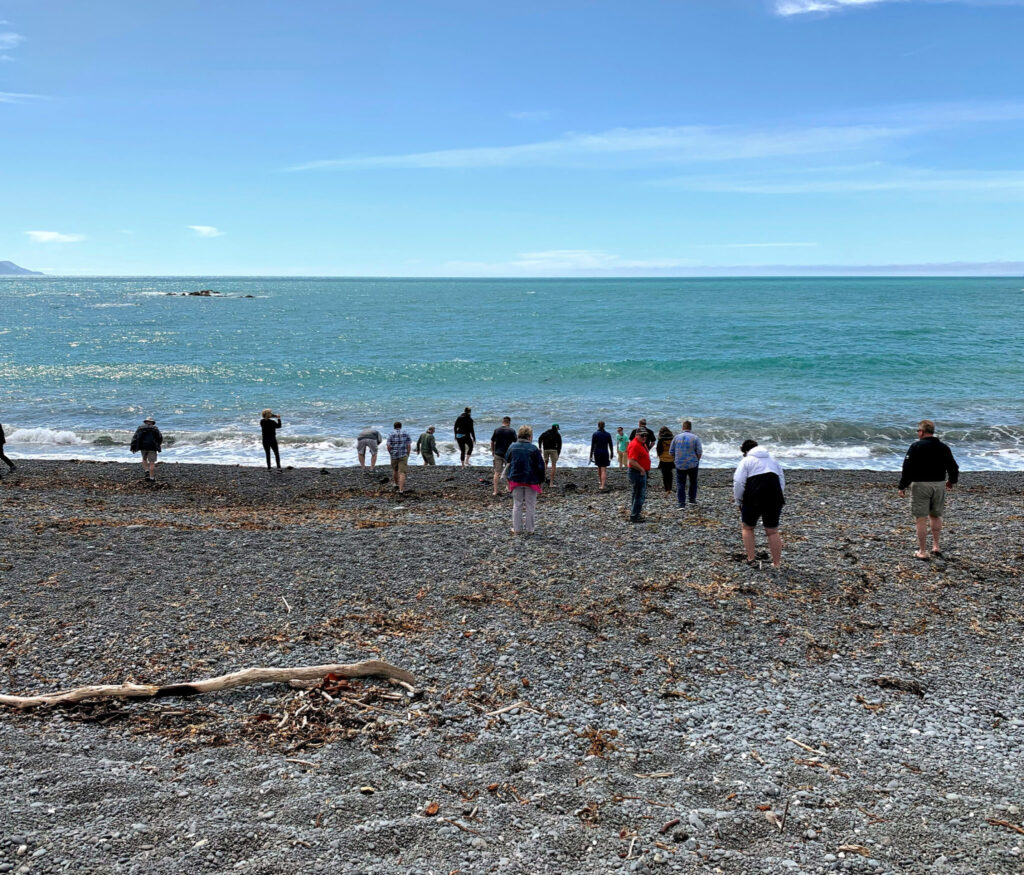
[siteorigin_widget class=”SiteOrigin_Widget_Headline_Widget”][/siteorigin_widget] Brian Betcher: General Manager (Retired), Maricopa-Stanfield Irrigation and Drainage District, Pinal County, Arizona Being recently retired from many years of irrigation district management, my focus was somewhat different for this trip. I took more note of big-picture comparisons between what I saw in New Zealand and the water world of Arizona. Upon my return […]
How Agri-Inject’s Fertigation Technology Can Prevent Nitrate Leaching
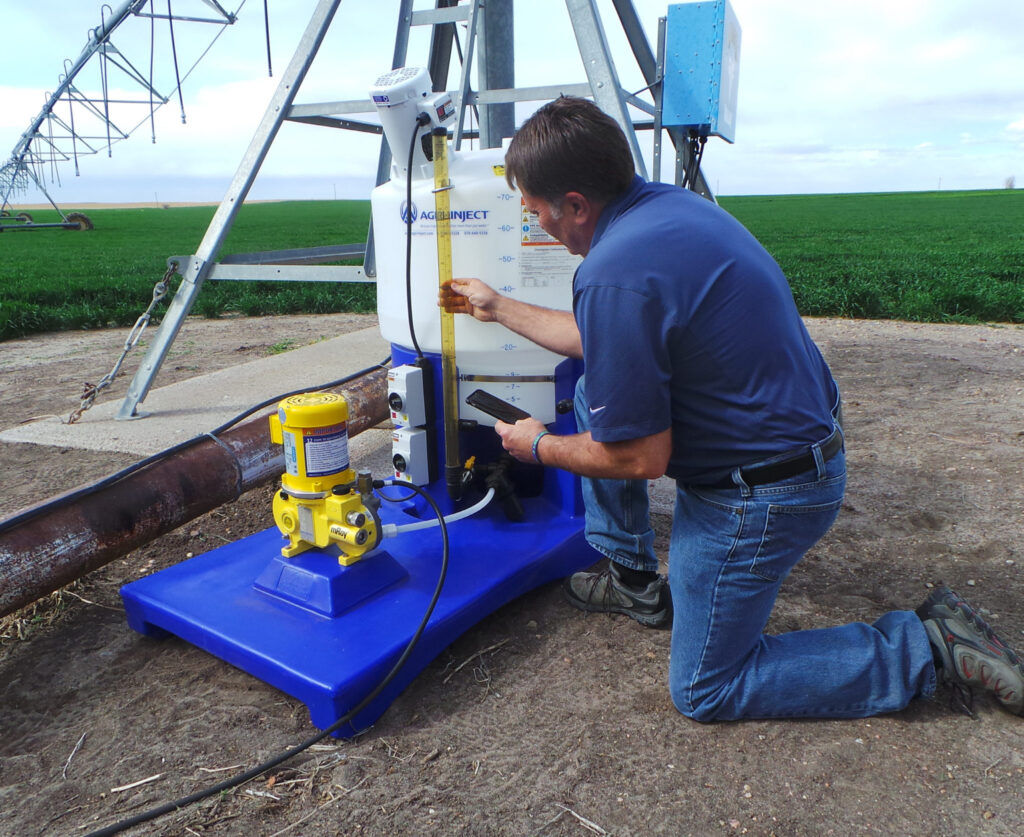
Agri-Inject is a pioneer in the chemigation field. Since the 1980s, the Yuma, Colorado–based company has been promoting the use of mobile irrigation systems to apply fertilizer and chemicals in liquid form. This method of application, known as fertigation, allows for the quick, lowvolume, and continuous application of fertilizer, “spoon-feeding” crops no more than they […]
Planning the Irrigation Leader Tour of New Zealand
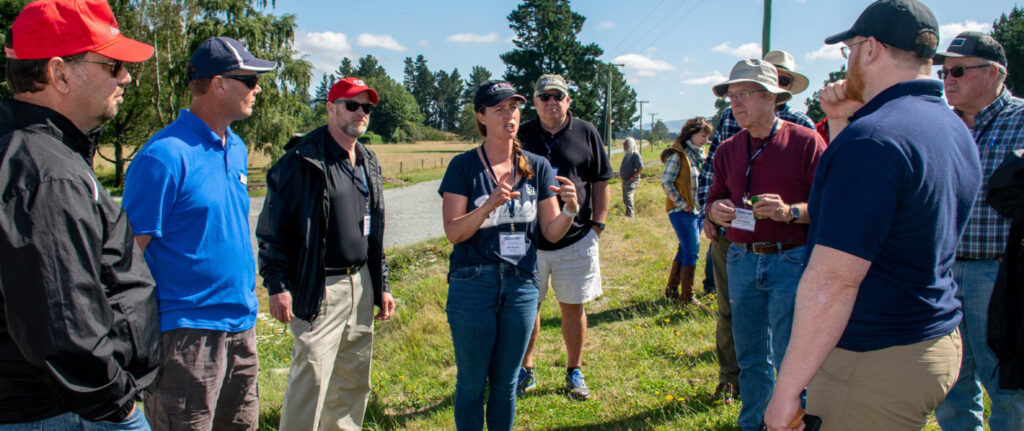
Irrigation Leader’s recent tour of New Zealand was planned in part by Mel Brooks, the chief executive officer (CEO) of MHV Water, New Zealand’s largest irrigation scheme. MHV Water provides water to over 200 farmer-shareholders on the fertile Canterbury Plains area of New Zealand’s South Island. In this interview, Mel explains how she selected tour […]
The Water Education Foundation: Helping Professionals and the Public Understand Western Water

The Water Education Foundation has been educating water professionals and the general public in California and across the Colorado River basin for more than 40 years. Its tours, conferences, publications, and online resources make the complex world of western water more easily comprehensible while also highlighting the high stakes of the issues involved. In this […]
Removing Nitrates From Groundwater via Wood Chip Walls
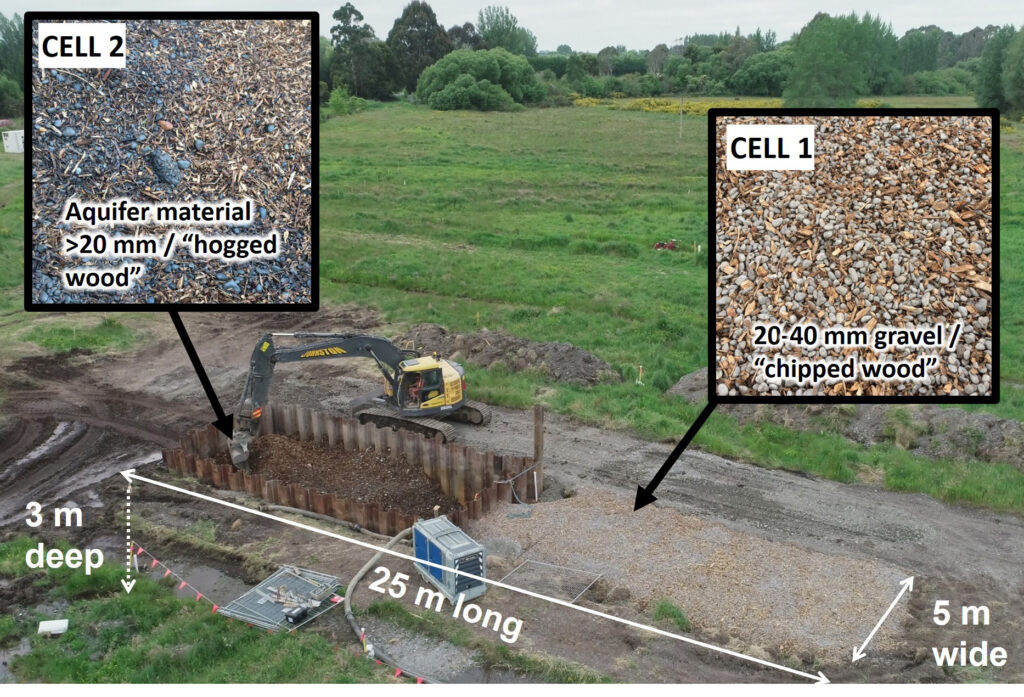
Like many agricultural regions in the United States, New Zealand’s South Island deals with the contamination of its groundwater by nitrates. However, the situation is distinct in two respects. First, the alluvial gravel aquifers that underlie much of the intensively farmed land on New Zealand’s South Island are extremely permeable and are characterized by fast […]
The Voyager: An Affordable Response to Nitrate Contamination
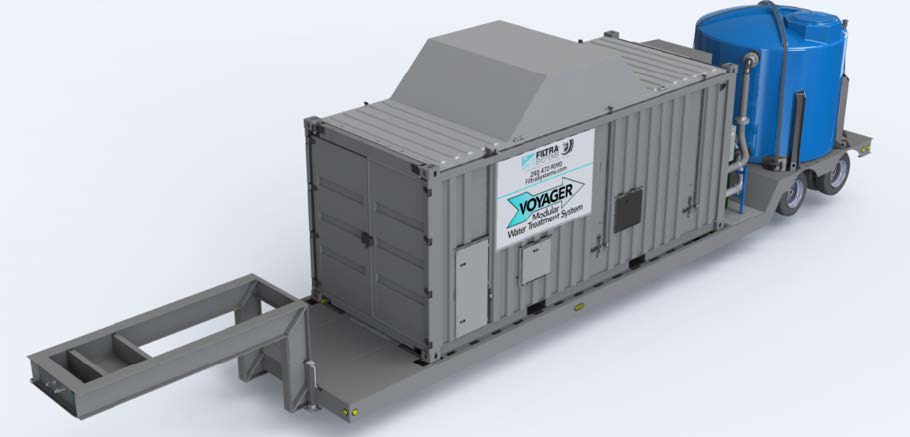
Many rural agricultural areas across the United States have issues with nitrate contamination in their groundwater but lack the funds to build a large water treatment plant. That’s where Filtra-Systems steps in. The Oklahoma-based company has created the Voyager, a mobile water treatment station that is more affordable than a full-scale facility. Small communities can […]
Protecting Groundwater and Reversing Subsidence in the Coachella Valley
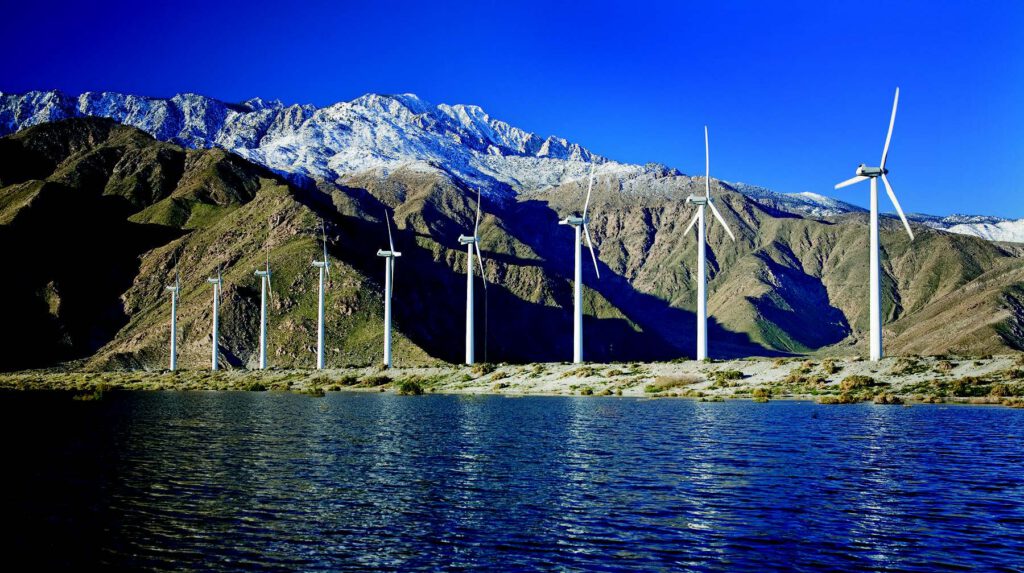
The Sustainable Groundwater Management Act (SGMA) is a 2014 California law intended to preserve and protect California’s precious groundwater resources. The law required all hydrological basins and subbasins across the state to be assessed for their priority and overdraft status and then to develop appropriate plans for the sustainable management of their groundwater. Coachella Valley […]