
Mobile Drip Irrigation: An Interview With Monty Teeter
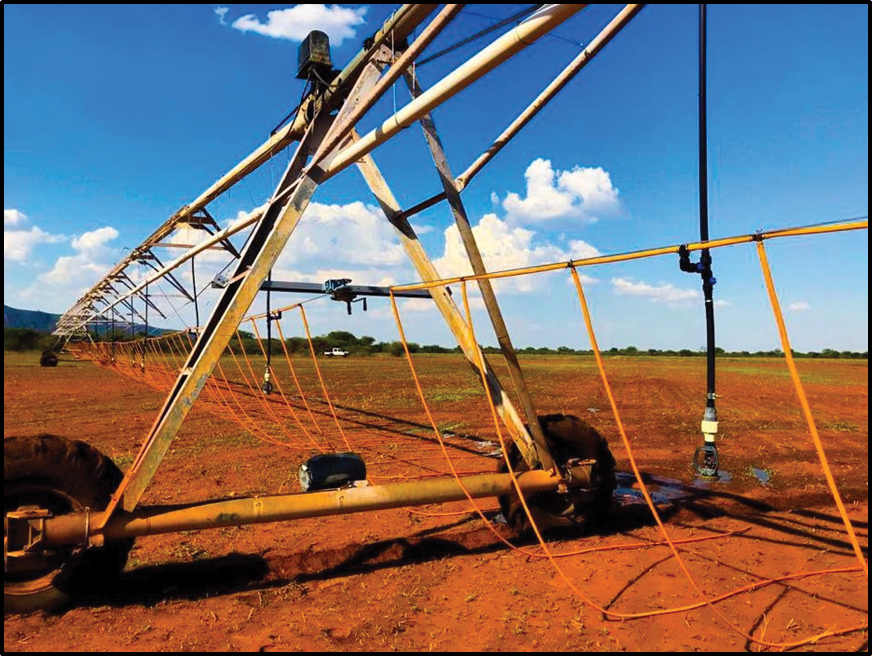
T eeter Irrigation, Inc., was founded by Monty Teeter in 1977 in his garage and has since grown to eight locations across western Kansas and eastern Colorado. Mr.Teeter’s most groundbreaking invention is Dragon-Line, a system that uses drip tubing to convert a center-pivot irrigation system into a mobile drip irrigation system. In addition to saving […]
Bringing Sub-Inch Precision to the Irrigation Field: T-L Irrigation
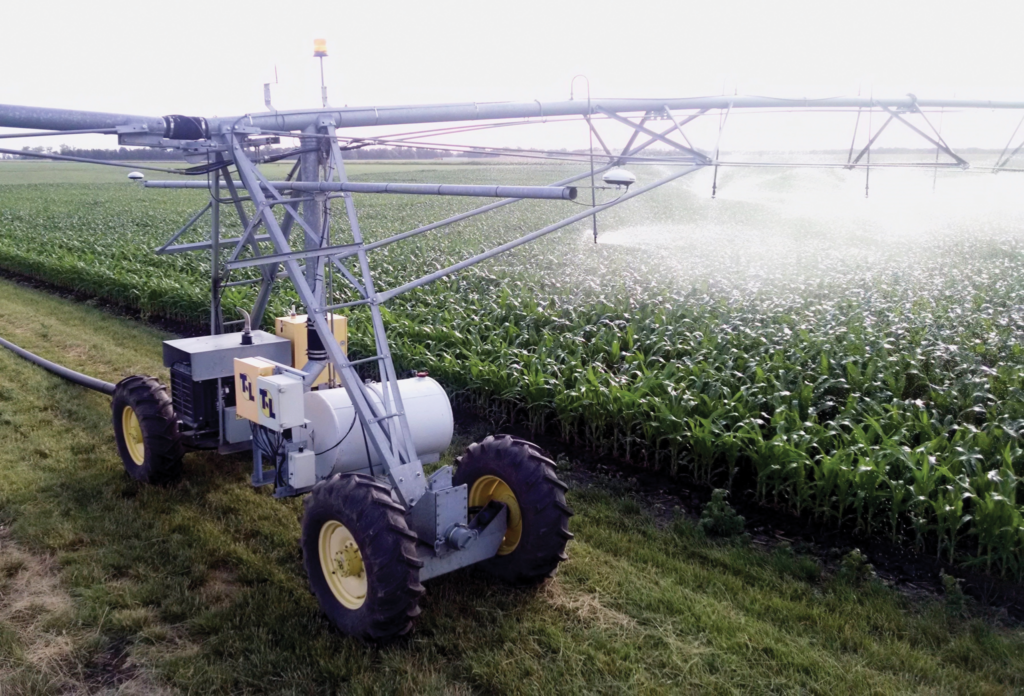
T -L Irrigation Company has been providing irrigation solutions since 1955. The family-owned company, based in Hastings, Nebraska, introduced its line of mechanized irrigation systems in the late 1960s. Since then, it has continued to innovate to make its products more reliable and easier to use. These days, that means enabling customers to irrigate their […]
Providing Compliance for the Platte River Basin
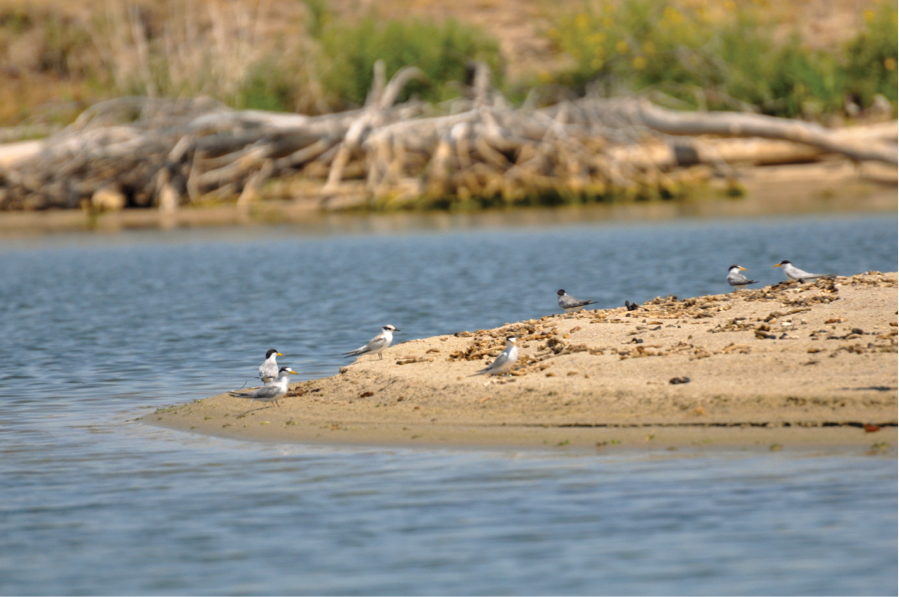
Environmental and ecological concerns are always a high priority in the development of water infrastructure projects. In the Platte River basin states of Colorado, Nebraska, and Wyoming, the Platte River Recovery Implementation Program (PRRIP) is ensuring that water providers meet their Endangered Species Act (ESA) compliance obligations by promoting the development and protection of habitat […]
Cooperating to Restore the Yakima Basin
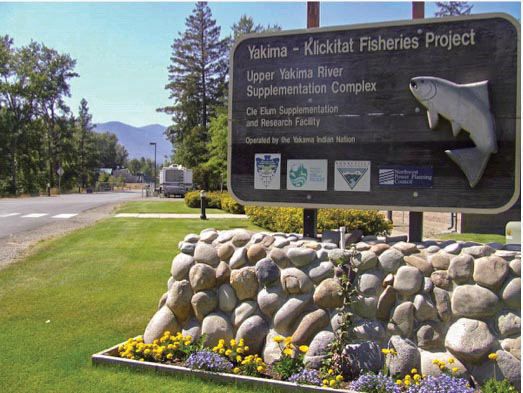
Phil Rigdon has over two decades of experience in the Yakama Nation’s Department of Natural Resources. and today is the department’s superintendent. He has been involved in numerous regional and intertribal initiatives, including the Tapash Sustainable Forest Collaborative, the Yakima River Basin Watershed Enhancement Project Workgroup and Conservation Advisory Group, the Washington State Columbia River […]
Volume 10 Issue 2 February Washington Edition 2019
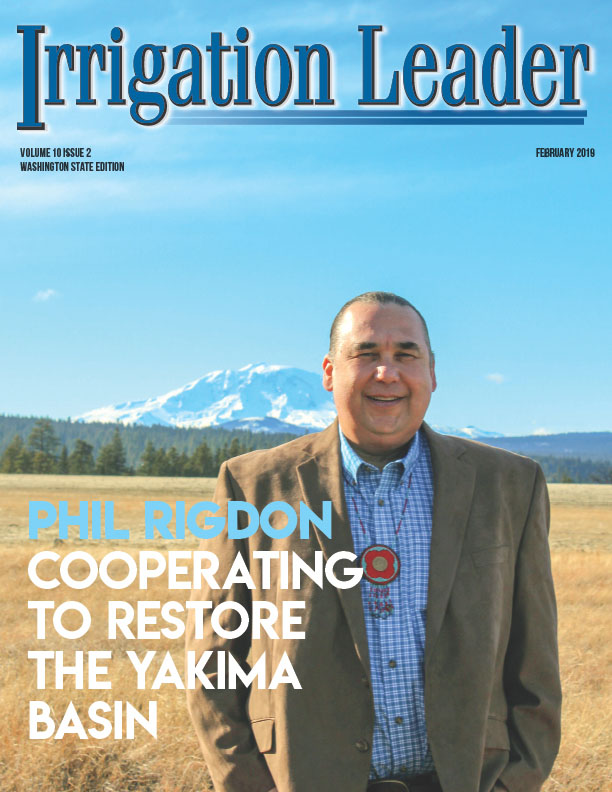
Phil Rigdon is the superintendent of the Yakama Nation’s Department of Natural Resources, which employs over 500 people and works on fisheries, water, forestry, and environmental protection. Under Mr. Rigdon’s direction, the department has been undertaking tributary supplement and aquifer recharge projects in the Yakima basin in order to serve the Nation’s out-of-stream needs, […]
Maintaining Century-Old Infrastructure in Montana
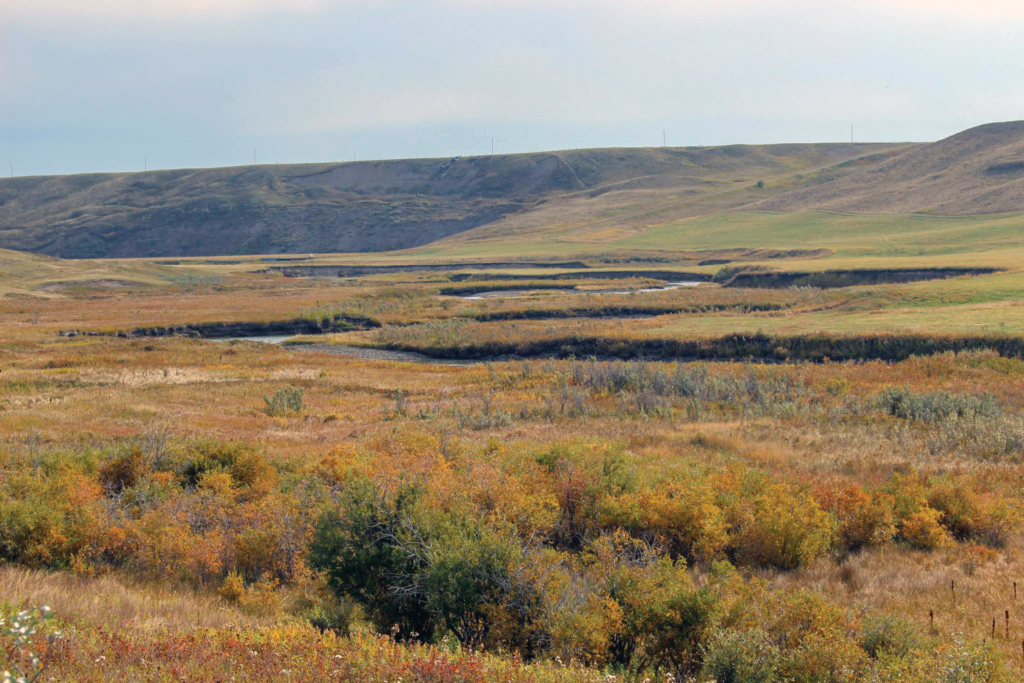
The eight irrigation districts of Montana’s Milk River Joint Board of Control (MRJBOC, or Joint Board) deliver water to approximately 110,000 irrigated acres of alfalfa, wheat, and barley across the region known as Montana’s Hi-Line. The districts are supplied by the Milk River Project, an early Reclamation project much of whose infrastructure dates back to […]
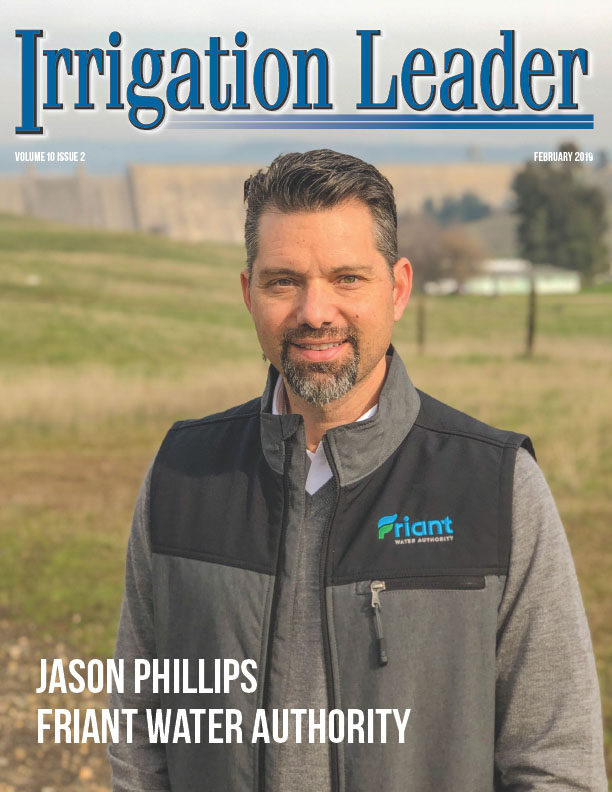
Jason Phillips of Friant Water Authority
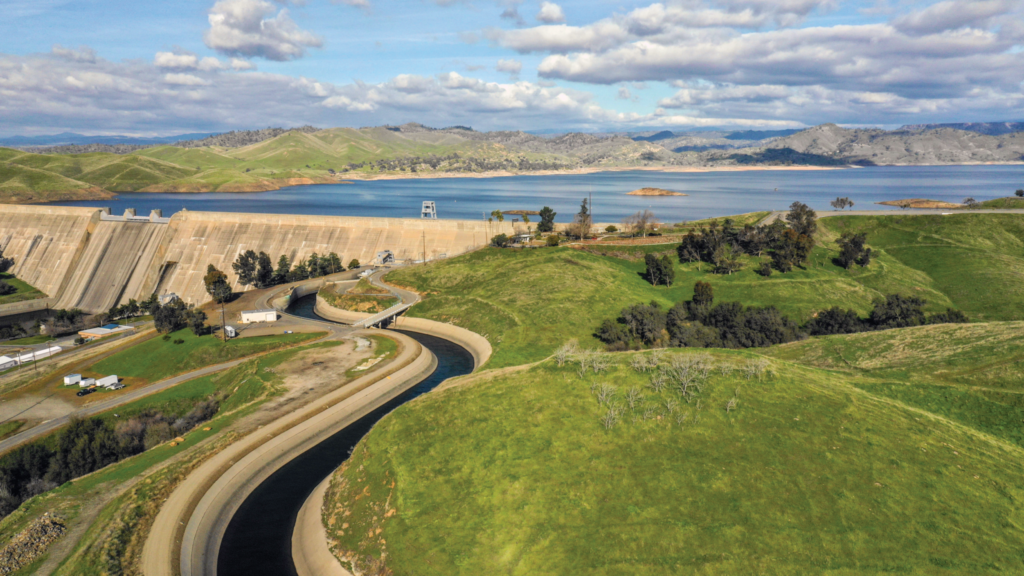
The Friant Water Authority is a public agency that delivers over a million acre-feet of surface water annually to farmers in the Central Valley of California, thus stabilizing the Central Valley’s groundwater supply. The agency represents the interests of water users in the Friant Division of the federal Central Valley Project and operates and maintains […]
Volume 10 Issue 2 February 2019
Irrigators are in the business of moving vast quantities of vitally important water—a task that requires solid, reliable, and durable infrastructure. That is easy to say, but as any canal manager knows, keeping irrigation infrastructure in pristine shape can be an arduous task. In this month’s issue of Irrigation Leader, we speak with the […]
Training Irrigators on High-Tech Systems

In today’s world, technology and irrigation go hand in hand. With new sensors, controls, and software programs, irrigation systems have become ever more efficient with the goal of increasing yields for water users. However, some professionals are left wondering how to use these new technologies or unsure of their benefits. To remedy this, Texas A&M […]
From Nebraska to the World
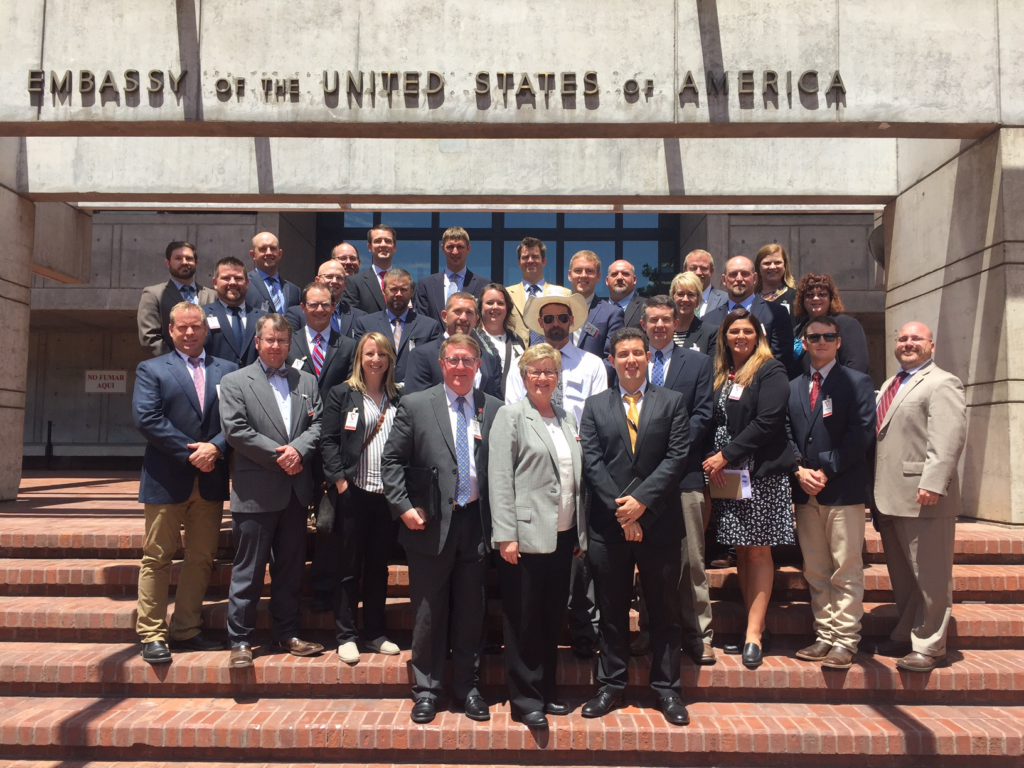
T he Nebraska LEAD program, founded in 1981, is a 2-year agricultural leadership-development program that exposes its fellows to state, regional, national, and international issues through a series of seminars and study tips. The program covers public policy issues, natural resources management, economics, communications, and leadership. In this interview, Dr. Terry Hejny, the director of […]