
Aiding Groundwater Recharge in Central Nebraska
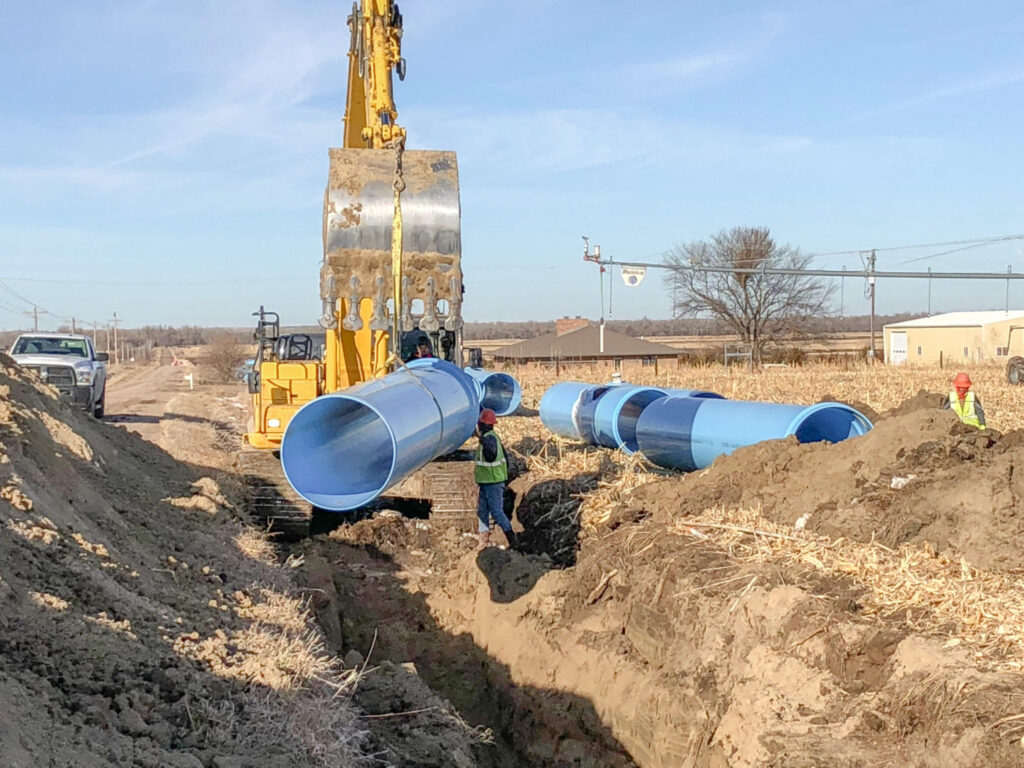
For many irrigation districts throughout the United States, groundwater recharge has become an increasingly important element of water management. Such is the case with the Central Nebraska Public Power and Irrigation District (CNPPID), which is partnering with the Platte River Recovery Implementation Program (PRRIP), the U.S. Fish and Wildlife Service, the Tri-Basin Natural Resources District, […]
Lessons From Madera Irrigation District’s Logo Redesign Campaign
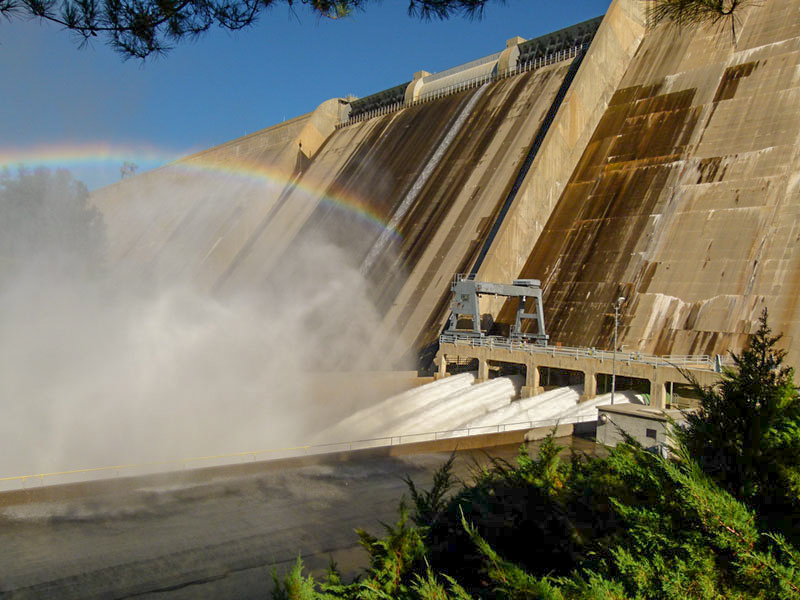
Madera Irrigation District (MID) services 140,000 acres of land in north-central California, most of which is used for growing almonds, grapes, and pistachios. MID contracts with Central Valley Project, pulling water from the Friant Dam and Hensley Lake, and also holds pre-1914 water rights to local surface waters. Madera, California, a city of some 65,000 […]
Improving Water Supply in the Columbia River Basin
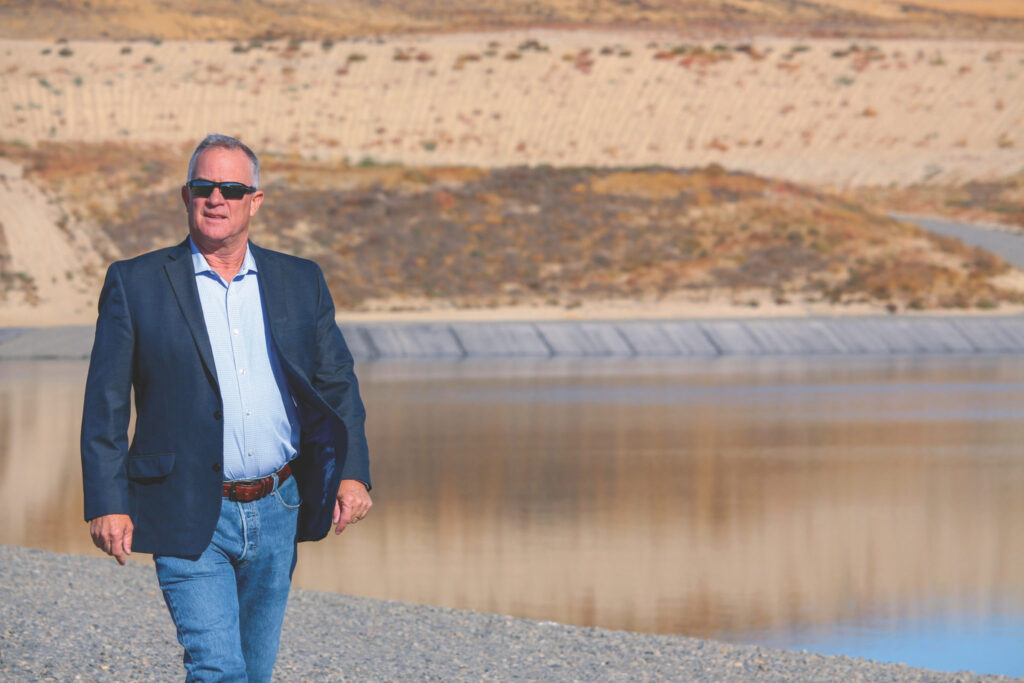
Tom Tebb is the director of the Office of Columbia River at the Washington State Department of Ecology. His office is tasked with several major water management projects designed to increase water flows in central and eastern Washington, both for instream and out-of-stream uses. In this interview with Irrigation Leader Editor-in-Chief Kris Polly, Mr. Tebb […]
Volume 9 Issue 10 November/December Washington Edition 2018
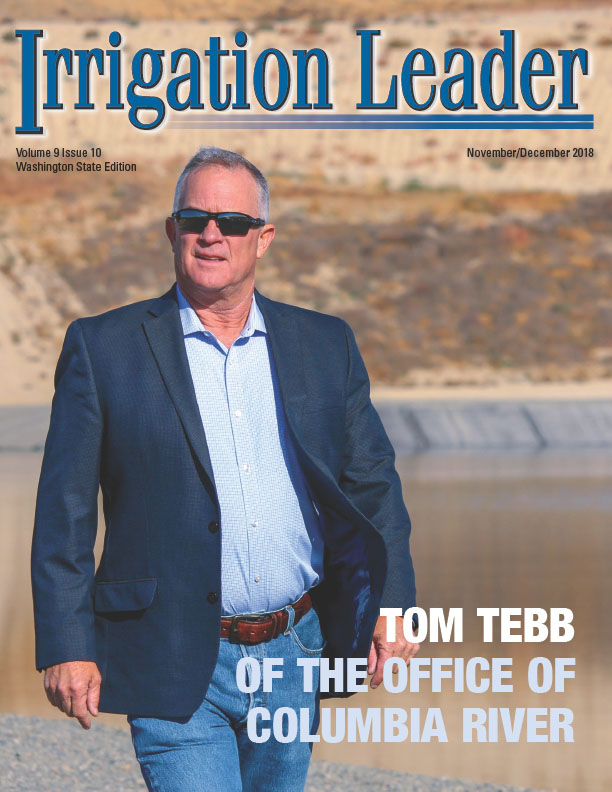
In this last issue of 2018, Irrigation Leader takes a look around the U.S. irrigation industry. Our articles cover river basin management, aquifer recharge, surface water management, agrichemical sales, branding and design, pipeline construction, solar power, pathogen detection, and security. If the U.S. irrigation industry has it, you will probably find it in this […]
New Expertise at UPI
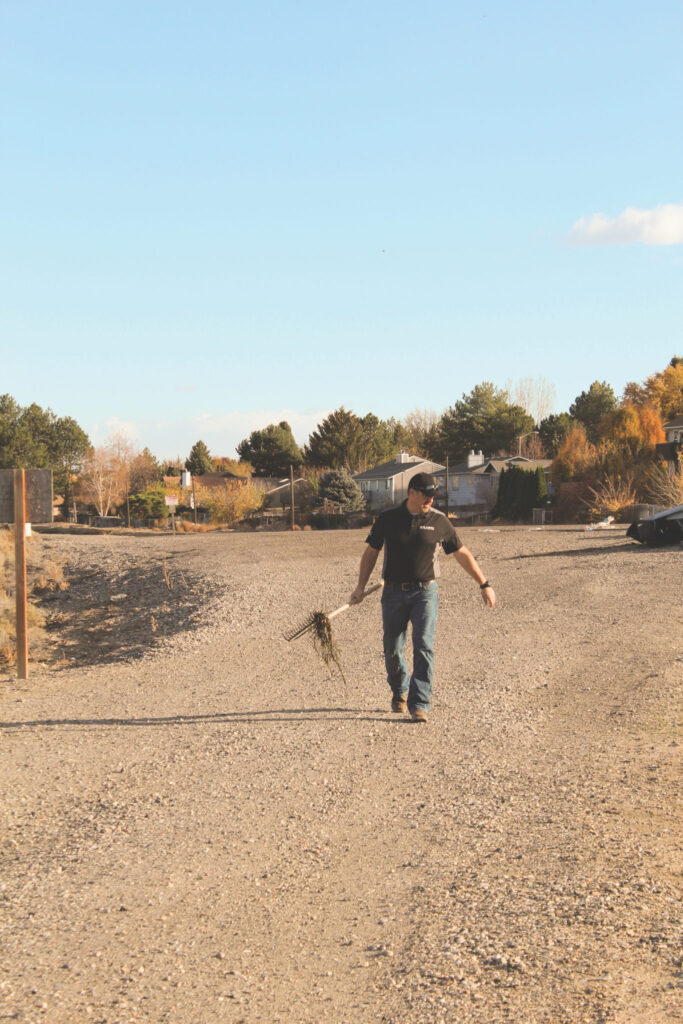
UPI Aquatics is an agrichemical manufacturing company with over 3,000 employees worldwide. It is perhaps best known to irrigators for its aquatic chemicals Cascade and Teton. In October of this year, Cory Greer joined UPI as an account representative with responsibility for all or part of nine western states. In this interview with Irrigation Leader Managing […]
Fremont Madison Irrigation District
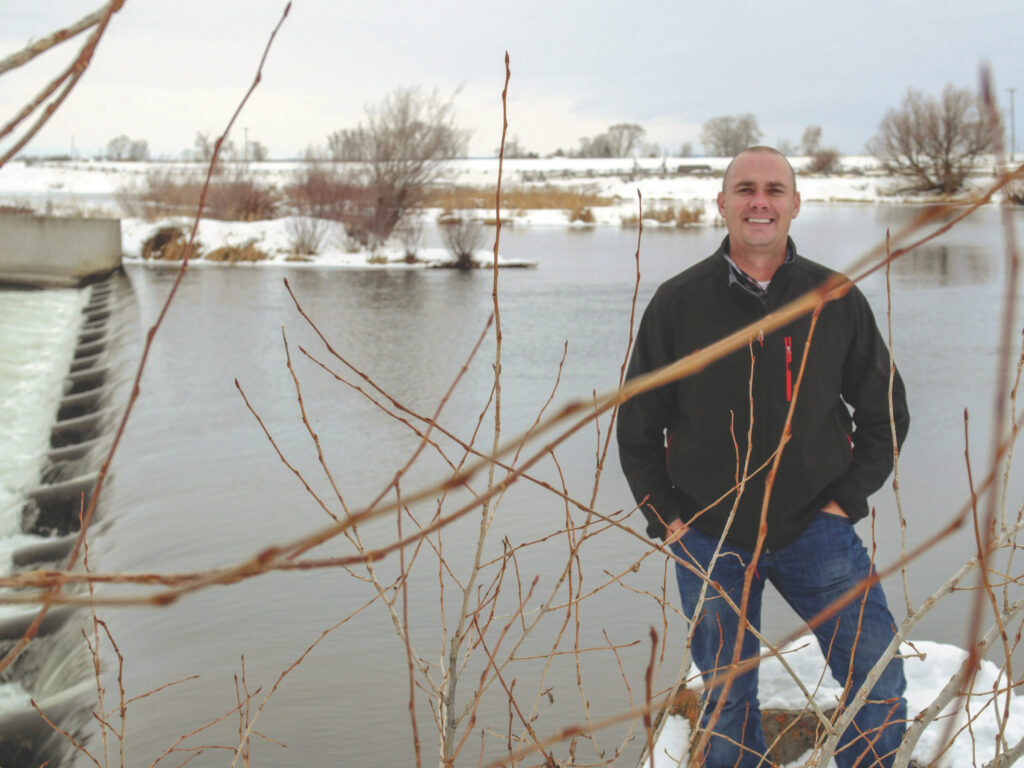
Fremont Madison Irrigation District (FMID) serves 285,000 acres of land in Eastern Idaho, and is also responsible for groundwater recharge and surface water management in its area. In this interview, Irrigation Leader’s editor-in-chief, Kris Polly, speaks with Aaron Dalling, the executive director of Fremont Madison Irrigation District, about his district’s role in managing the region’s […]
Volume 9 Issue 10 November/December 2018
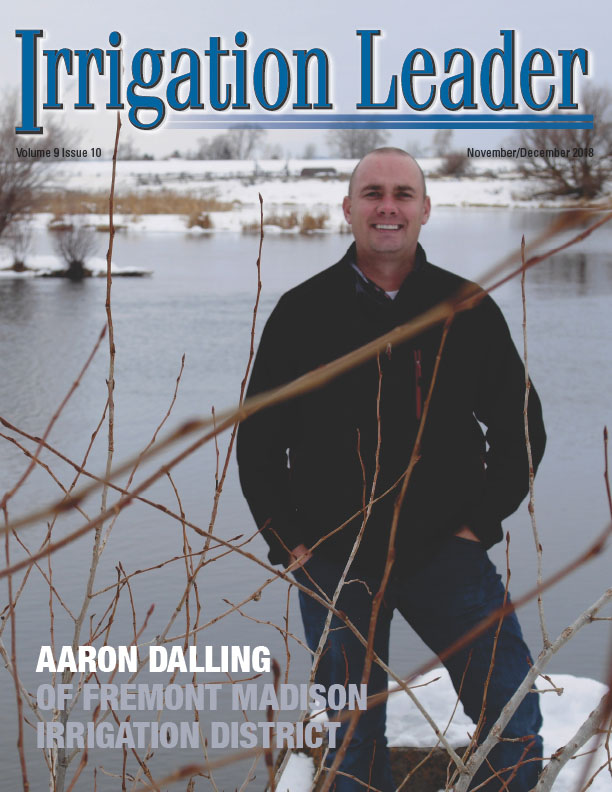
In this last issue of 2018, Irrigation Leader takes a look around the U.S. irrigation industry. Our articles cover aquifer recharge, surface water management, agrichemical sales, branding and design, pipeline construction, solar power, pathogen detection, and security. If the U.S. irrigation industry has it, you will probably find it in this issue. In our […]
The Next Big Crop? Studying Hemp in the Imperial Valley
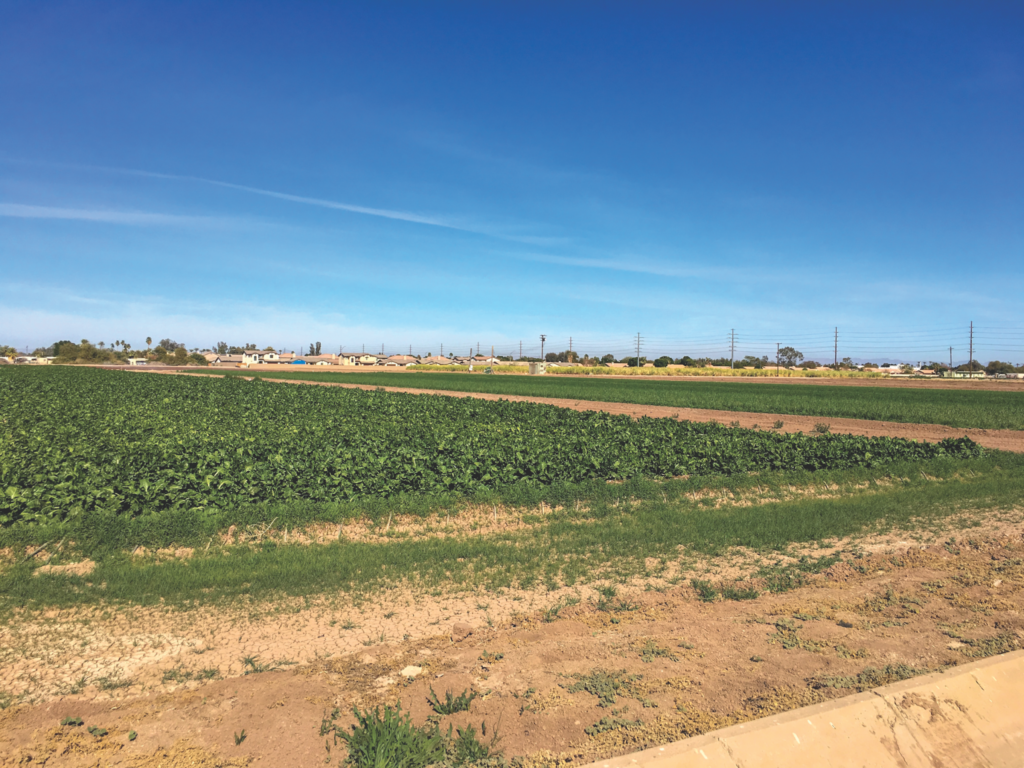
I ndustrial hemp is becoming a big business in the United States. Projections show that it has the potential to earn billions of dollars and create thousands of jobs in the next several years. Industrial hemp is a form of cannabis sativa with less than 0.3 percent tetrahydrocannabinol, or THC, making it entirely distinct from […]
Clearing Fields for Over 50 Years
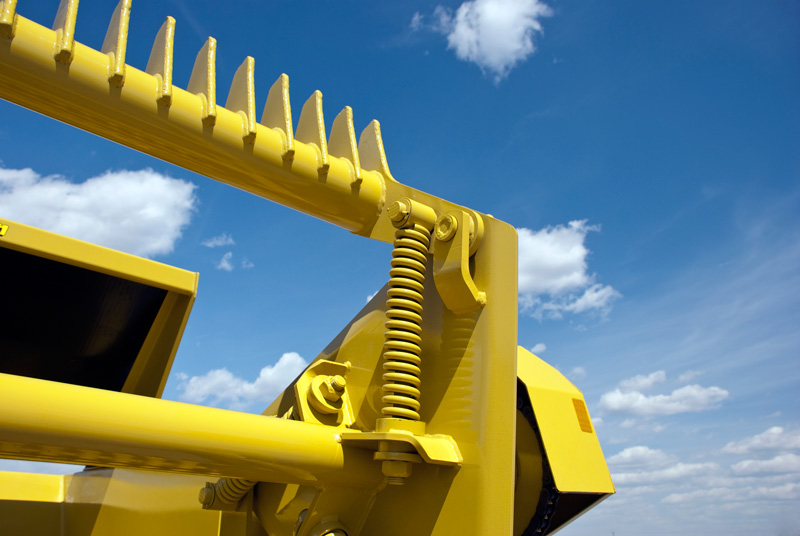
S ince 1962, Degelman Industries has been supplying farmers all around the United States and Canada with effective solutions for large-scale rock removal in their fields. Degelman designs and manufactures rock pickers—machines that give farmers the capability to quickly and effectively remove large numbers of rocks from their fields. Degelman was founded on a farm […]
A Revolution in 6 Months
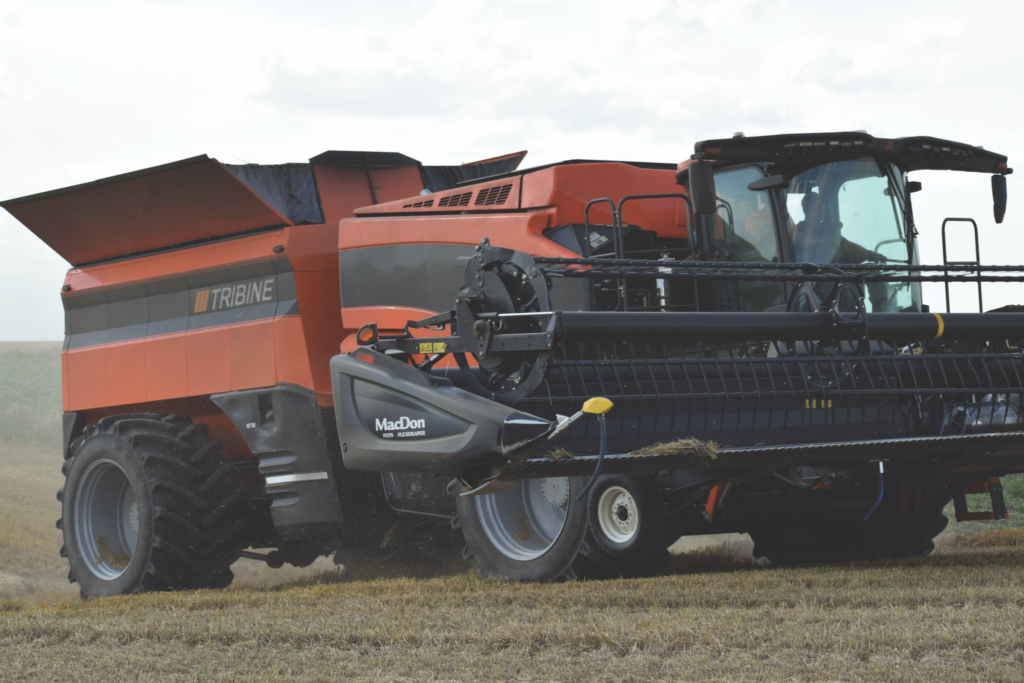
The Tribine is a revolutionary new machine that aims to fundamentally improve farmers’ harvesting efficiency. The machine is a huge combine–grain cart combination with articulated steering and full-time all-wheel drive. Its 1,000-bushel capacity reduces the need for frequent unloading. The company, which has been in business for 3½ years, designed the Tribine in only 6 […]