
Tackling Wapato Irrigation Project’s Challenges: Stuart Crane of the Yakama Nation
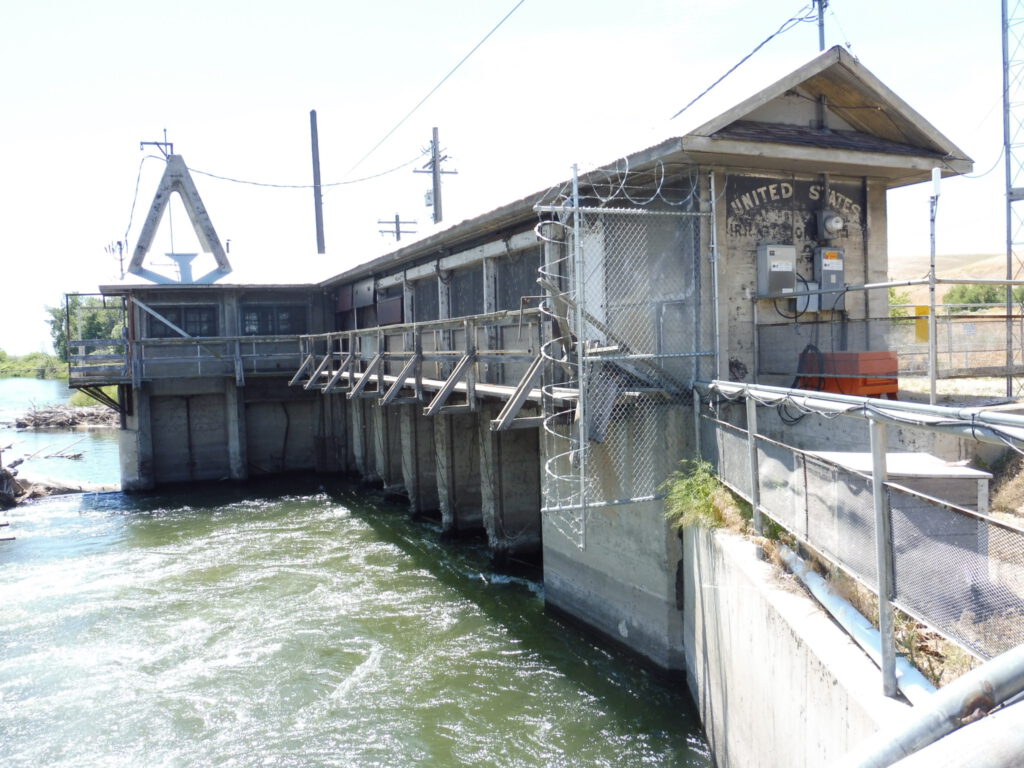
Wapato Irrigation Project (WIP) was founded by the federal government in the early 20th century to irrigation the Yakama Nation reservation in central Washington State. Today, WIP diverts several hundred thousand acre-feet of water from the Yakima River and local creeks each year to service around 150,000 acres of irrigated agricultural land. While WIP is […]
How Emrgy is Disrupting the Hydropower Industry
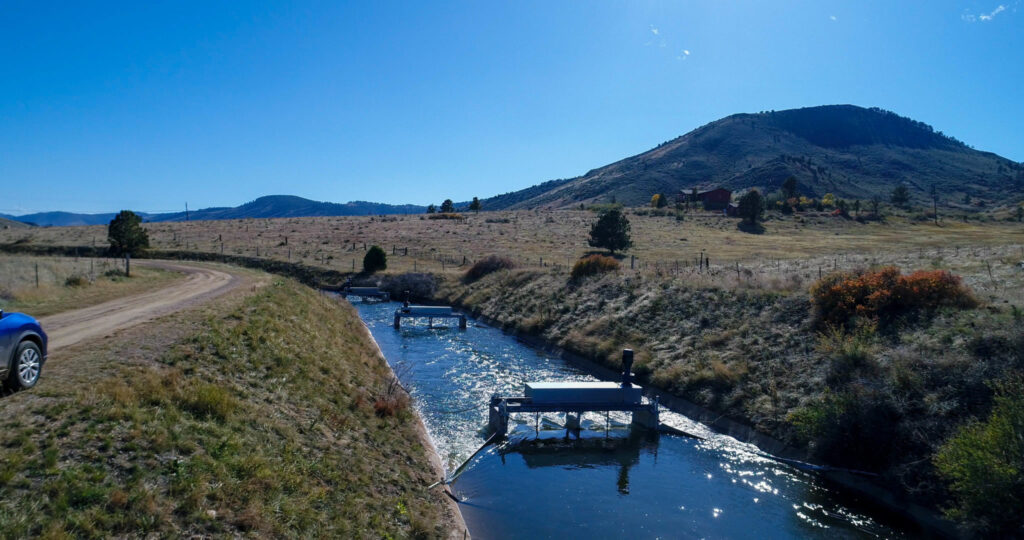
Solar and wind power have exploded in popularity in recent years as facilities have become cheaper to build, but up until now, this has not been true of a third renewable power source, hydropower. This is primarily because hydropower relies on large installations that require civil construction. A new startup called Emrgy is seeking to change all […]
Growing Lettuce in Yuma
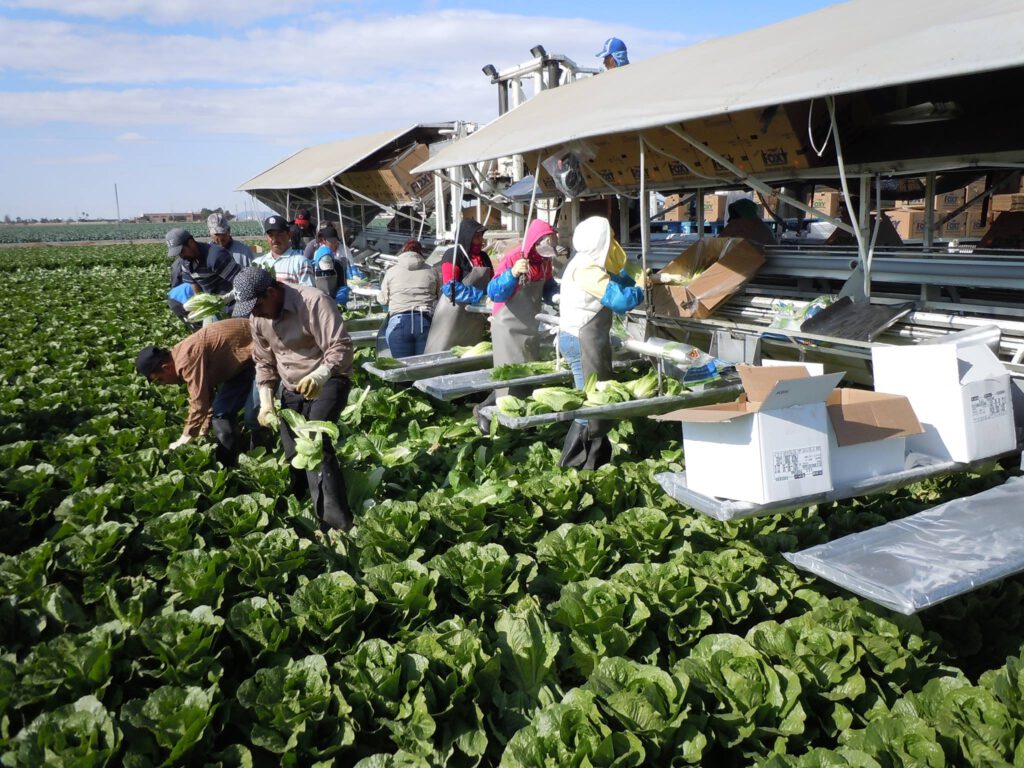
Most of the winter produce consumed in the United States and Canada is grown in the Yuma, Arizona, region, in Southern California, and in Northern Mexico, and most is processed in Yuma before being shipped out to supermarkets across the country. While the average consumer in the produce aisle of a supermarket may not give a […]
Not So Convenient: Why So Many Scooters Are Ending up in Canals
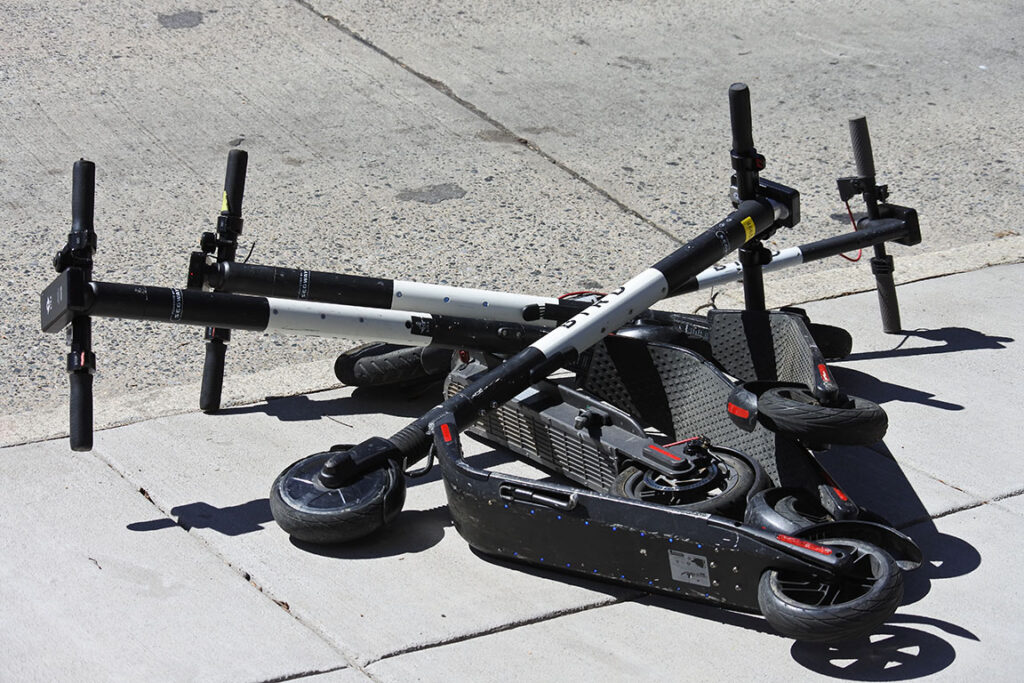
By now, residents of most cities in the United States are familiar with the electric scooters that have sprung up like mushrooms on every street corner. While they are convenient and quick for commuters, they pose an annoyance, a liability, and a hazard for canal owners. Arizona’s Roosevelt Water Conservation District is one agency that has had […]
Linking Arizona Farmers With Researchers: The Yuma Center of Excellence for Desert Agriculture
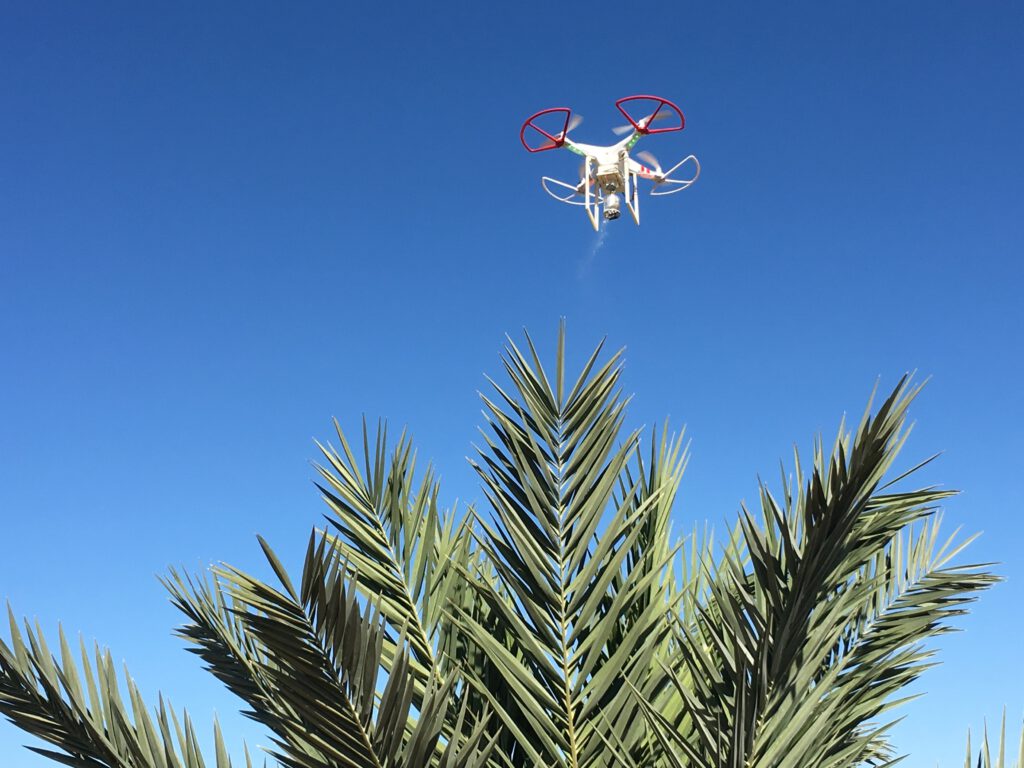
The Yuma Center of Excellence for Desert Agriculture (YCEDA) is a research center at the University of Arizona (UA) that links farmers, researchers, and students. Its mission is to identify the needs of Arizona farmers, find researchers to work on meeting those needs, fund them with money donated by the agricultural industry and other sources, and […]
Powering Arizona’s Water: CAP’s Energy Needs
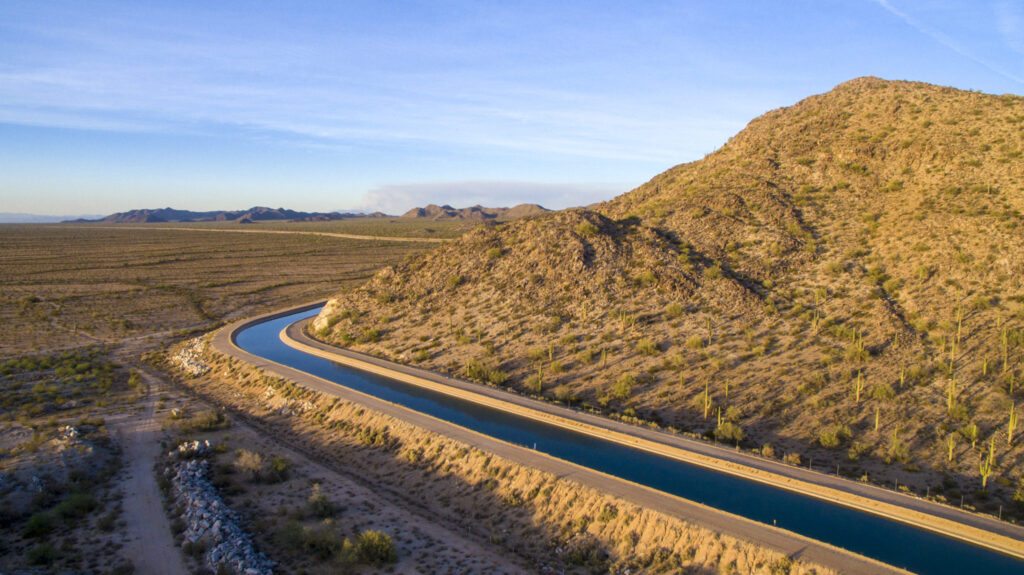
At 2.8 gigawatt-hours per year, the Central Arizona Project (CAP) is one of the biggest power users in the state of Arizona. Why? Mainly because of the immense power demands of diverting 1.6 million acre-feet of water a year off of Lake Havasu and immediately lifting it about 800 feet vertically. That is the first step […]
The pima-maricopa irrigation project: nation-building through irrigation infrastructure
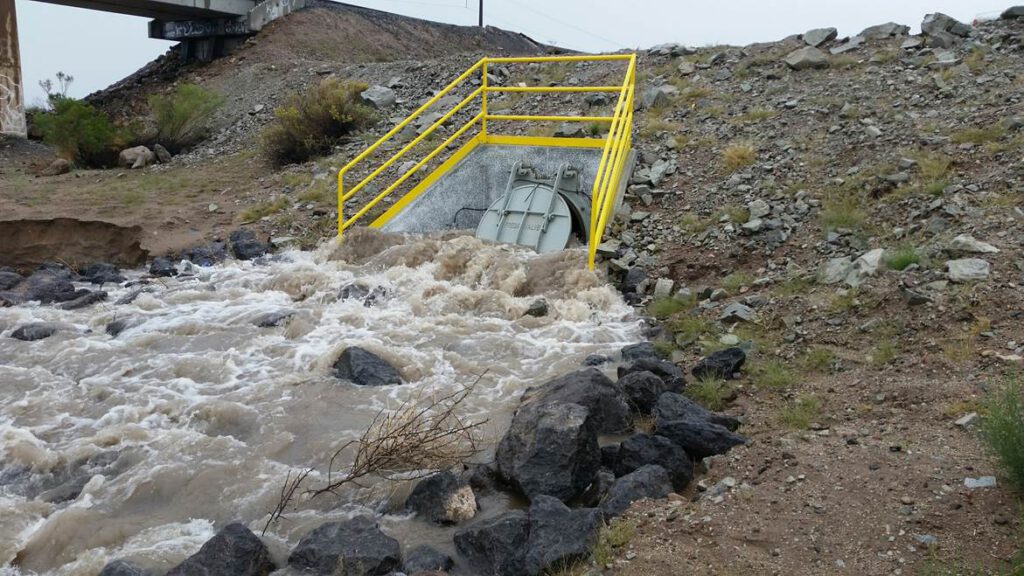
The Pima people (also known as the Akimel O’otham, or “river people”) have lived in the Gila River Valley of south-central Arizona for thousands of years. In the latter 18th century, they were joined by the Maricopa (also known as the Pee Posh, meaning “the people”) and confederated together. While they had separate cultures and languages, […]
Senator Jim Honeyford: Water Leadership for Washington

The Columbia and Yakima basins of Washington State are home to thousands of acres of productive irrigated farmland. On a local level, that irrigation is managed and directed by irrigation districts like the Wapato Irrigation District, Sunnyside Irrigation District, and Roza Irrigation District. At the state level, the state legislature and government play crucial roles. […]
How Lindsay’s Remote Pivot Management Software Boosts Efficiency

Lindsay Corporation has been innovating in the irrigation and infrastructure worlds for over half a century. Based in Omaha, Nebraska, the company has a global presence. Lindsay’s innovative tools for irrigated agriculture include its FieldNET integrated remote monitoring and management software and its full line of FieldNET hardware devices. In this interview, Reece Andrews, a […]
McCrometer’s Pivot-Ready Flow Meters

McCrometer and its engineering team have built flow meters for over 60 years, refining and improving them along the way. From mechanical propeller meters to electromagnetic meters with signal outputs, McCrometer has products for a wide variety of uses and situations. As center-pivot irrigation becomes more technologically sophisticated and draws on a wider range of data, […]